THE GOAL OF CREATION
According to the Islamic tradition, creation is not without purpose. God created mankind out of His Infinite Mercy and Wisdom so that humanity can
attain perfection, which is defined as closeness to God. This path to perfection is attained through three primary tools:
• Attaining deep knowledge of God
• Worshiping and being in service to God
• Navigating and responding to tests in life
FUNDAMENTALS OF FAITH
Islam, a religion followed by approximately two billion people, has three fundamentals of faith:
• Oneness of God
• Divine Representation
• The Holy Quran
• The Messengers
• The Afterlife
Oneness of God
The most essential concept in the Islamic tradition is tawheed, the oneness of God. Tawheed informs Muslims to see God as one absolute pure reality that
is immune from imperfections and any tendency to bring Him down to a material form.
Muslims know and recognize God through the Divine Names that He has revealed about Himself, such as the Absolutely Merciful, Just, Forgiver, and Exalted.
Divine Representation: Holy Qur’an
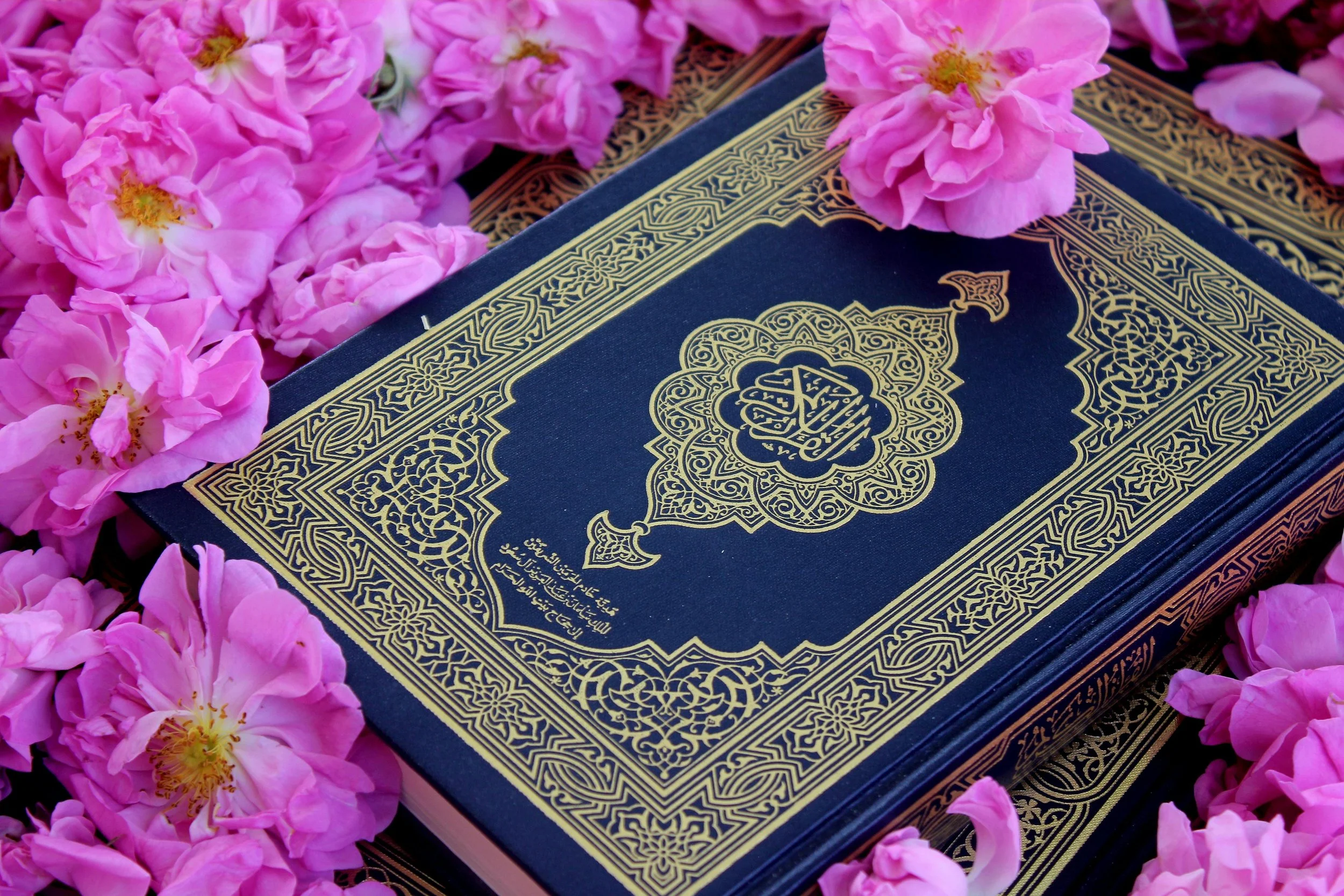
The Qur’an is the scriptural embodiment of the final and completed message of Divine Guidance. The Qur’an contains prophetic stories, lessons on morality, and practical laws. The Qur’an is not meant to be exclusive to an Arab audience, or even a Muslim one; it itself states that it is guidance to mankind for fulfilling the purpose of their creation: perfection. This perfection is found in spiritual proximity to Almighty God and is achieved through three primary means: worshiping, gaining a deep under standing of God, and undergoing tests.
Pictured: The Holy Quran. The Quran consists of 114 chapters, all focusing on different significant Islamic principles and figures to convey Divine messages. Some stories included are those of Mary (Peace Be Upon Her), Joseph, and Noah. Although figures are not depicted in Quranic art, floral and geometric artwork is often incorporated into the borders and design.
ISLAM 101
AN INTRODUCTION TO THE BASIC TENETS AND PRACTICES OF ISLAM AND MUSLIMS
Divine representation: Messengers
In order to guide Muslims towards attaining their divine purpose and navigating the intricacies of life, God has sent divine guides in the form of Prophets and Divine Leaders.
Islam is the completion of a single Divine message which began with the first prophet, Adam. While the names of the prophets, religions, and even God changed through time, there is ultimately one single Divine vision for mankind’s felicity and salvation. This message continued in its various forms through 124,000 prophets, including Abraham, Moses, Jesus, and finally in Muhammad, may God’s peace be upon them all. Muslims believe that humanity has never been left alone without the presence of a divine guide.
After the passing of the final Prophet, Muhammad (PBUH), 12 divine guides, called Imams, continued the message brought by Muhammad (PBUH). The last of these guides, al-Mahdi, is still alive today and in occultation. It is believed that he will return to restore the world to ultimate peace and justice.
The Afterlife
In Islam, every creation will be held accountable for his/her actions on earth. The Afterlife is a core part of Islamic belief due to the fact that true justice cannot be attained in this life. Islam believes that most people will go to Heaven, especially those who do good acts unto themselves and others. Hell is reserved only for those who are transgressors and persist in committing wrong and evil.
A Religion of Belief & Action
Unlike some world religions, Islam is not simply a belief system; rather, it is a complete way of life. Islam places great emphasis on securing faith through action, which can be understood through the analogy of a heart with two wings. The heart represents faith in God, His divine guides, and the hereafter. One wing symbolizes the practical actions needed to attain proximity to God, such as praying, fasting, and performing the Hajj pilgrimage. The other wing represents those actions towards the people, such as giving charity, being a good neighbor, and treating others respectfully. Both wings are needed to carry the heart towards its divine purpose.
Responsibilities towards God: Praying, Fasting, & hajj
Prayer
Muslims around the world pray 5 times a day. The life of a Muslim revolves around remembrance of, and connection to God. Five prayers are dispersed throughout the day, reminding Muslims that whether they are working or resting, the ultimate purpose in life is to achieve the divine pleasure and nearness to God and His Grace.
Fasting
Once a year during the sacred Month of Ramadhan, Muslims fast throughout the day. They fast not only by abstaining from food or drink, but they engage in extra worship and try even harder to avoid foul language and other forbidden acts.
Hajj pilgrimage
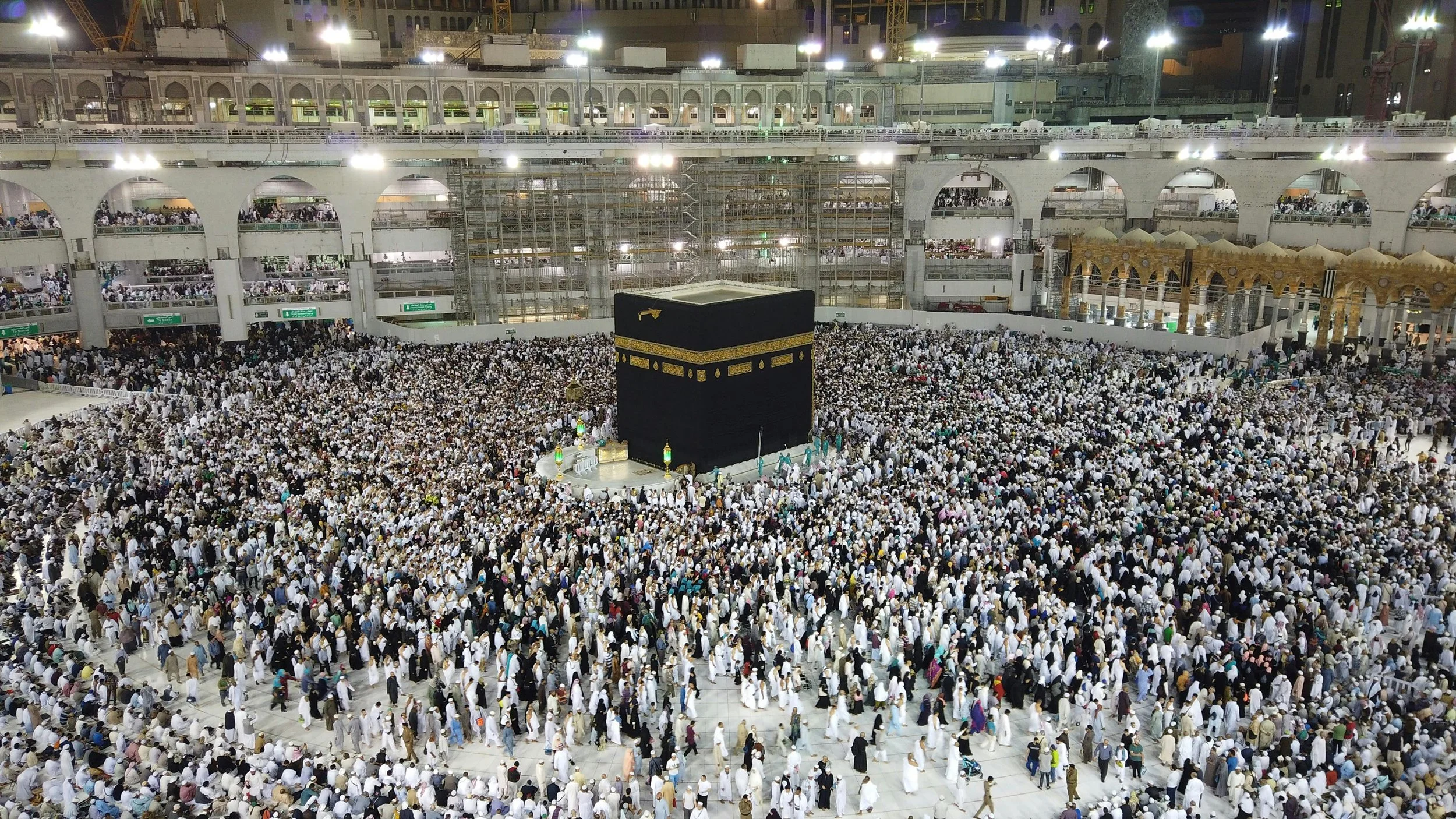
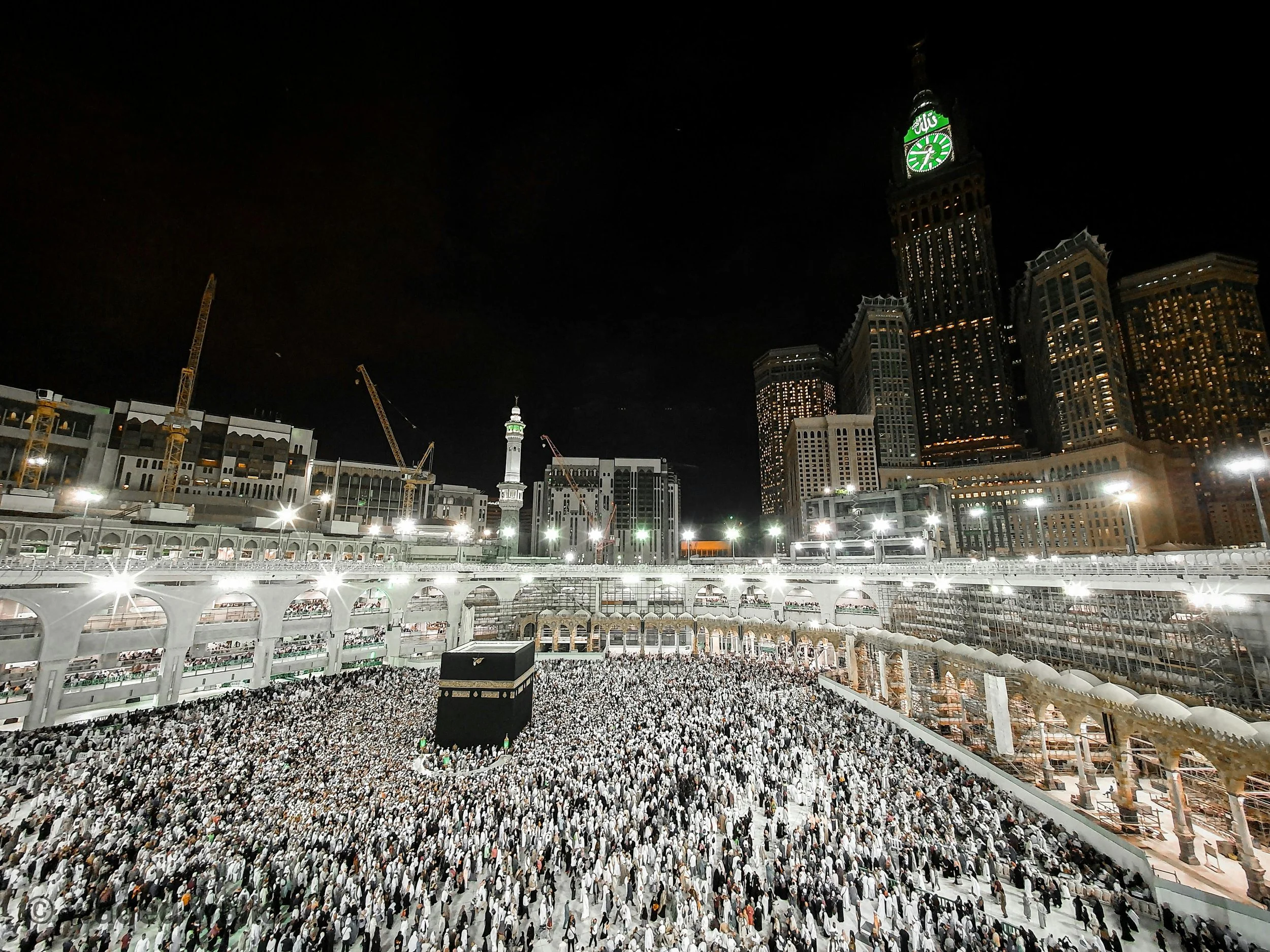
It is obligatory upon Muslims to perform the pilgrimage to Mecca once in their lifetime, provided they have the physical and financial means. One of the primary purposes of Hajj is for Muslims to shift their focus from worldly pleasures and the material world to their inner self and connection to God. Additionally, it gives Muslims from all over the world the chance to gather together and worship God in a unified manner, overlooking any differences in race, culture, and socioeconomic status.
Pictured: Muslims performing Hajj. Up to 3 million people go to Mecca for Hajj each year. A 2008 Harvard study on the impact of Hajj found that people became more tolerant and positive after performing the pilgrimage.
Responsibilities towards society
In addition to the practical acts of worship, Islam places great importance on fulfilling one’s responsibilities towards others. This includes treating others with kindness and respect, as well as having good character overall. In fact, Prophet Muhammad (S) said that he was sent to perfect the morals of mankind. The Qur’an also highlights the importance of observing the rights of others, and one of the Imams has written an entire book entitled The Treatise of Rights.